Showing posts with label headache. Show all posts

Tuesday, June 18, 2013

How Do I Tell If I Need Upper Cervical Care?

Upper cervical care, how do I know, Dr. Ben Hill
by Dr. Ben Hill

I’m going to venture to guess that, if you’re suffering from something that’s not obviously related to your spine that you didn’t wake up this morning and say,

“Eureka! I bet that upper cervical doctor is just the guy who can help.”

I’ll take no offense. In fact, it’s common and completely understandable that one doesn’t typically equate chiropractic care with conditions like digestive disorders, migraines,  ADHD, fatigue, fibromyalgia … or even multiple sclerosis. But when you consider that the nervous system controls just about every function in your body, it stands to reason that when something is compromising it? All sorts of not-so-great things can happen. It also stands to reason that, if we can reverse this situation, you may realize considerable relief or resolution to pain or conditions that are affecting your everyday life.

So how do you know if an Upper Cervical Chiropractic may be right for you? 

Here are a few questions to help you evaluate:

  • Do you suffer from headaches, earaches or backaches that medication or other treatment is not alleviating or resolving?
  • Do you or one of your family members regularly struggle to sleep through the night? Is the exhaustion leading to other health or relationship problems?
  • Do you have ongoing digestive issues that haven’t been solved through medication or dietary changes?
  • Do you have a child who isn’t responding well to ADHD, colic or autism-related medications or treatment?
  • Are you experiencing ongoing pain in your body?
  • Do you have vertigo, dizziness or  unexplained problems with your vision or hearing?
  • Are you at your wit’s end because nothing you’ve tried so far has helped you?
  • Do you want to feel confident that you can, and will, get your old self back?

If you answered “YES” to at least one of these questions, I may have a care plan that delivers the answers you’ve been looking for. While upper cervical care isn’t often the first thing people think of when struggling with frustrating, debilitating and life-altering conditions, we may well be the answer that’s (finally) the one for you.

 Can’t hurt to check it out, right?

(Editor's note: Remember the objective of upper cervical care is to correct head neck misalignment that is interfering with proper brain to body communication. When this is corrected the body functions at a higher level and can often correct other problems more efficiently on its own. Please do not confuse upper cervical care as a treatment for any condition, disease or symptom.)

Tuesday, February 5, 2013

Chronic Headache Sufferers Find Relief With Upper Cervical Care

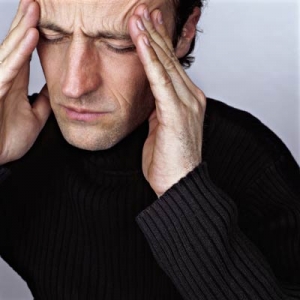
Many people are not aware of the relationship between upper cervical (neck) trauma and headaches. With all that modern science has accomplished, there are still more unanswered questions than answered ones. This is also true in the case of headache research. It’s been difficult to pinpoint the exact reason(s) why certain people suffer chronic headache pain. However, research is beginning to point toward upper cervical trauma as an underlying cause for many types of head pain, especially migraine, cluster and tension headaches.

The upper cervical area of the spine refers to the two vertebrae located at the top of the spine, directly underneath the head. C1 (known as Atlas,) along with C2 (known as Axis,) are chiefly responsible for the rotation and flexibility of the head and neck. Like the rest of the vertebrae, they are extremely vulnerable to injury and trauma, especially trauma to the head through auto or sporting accidents.

Because so many nerves transmit through the cervical region (to and from the brain,) trauma to this area results in problems to other parts of the body. This is where the relationship between the upper cervical area and headaches becomes evident. If these vertebrae become displaced, even slightly, chronic head pain can occur. Unless the neck injury is addressed, the symptoms persist.

Upper cervical care involves addressing the position and function of these injured cervical vertebrae, particularly C1 and C2. Realigning these vertebrae may restore proper function to the area and reduce or eliminate many types of headaches.

The most common types of headaches for which people seek upper cervical care are migraine, cluster and tension headaches. Migraine headaches are characterized by intense pain on either one or both sides of the head. Pain is usually located around the temples or behind one ear or eye. The pain is so severe that it often causes extreme sensitivity to light, dizziness and may even lead to vomiting. Migraines may occur with or without ‘aura.’ Aura refers to visual symptoms which occur 10 to 30 minutes prior to the onset of the headache. They are usually in the form of flashing lights, lines, blind spots or even temporary blindness.

Cluster headaches almost always occur on only one side of the head. Their onset is so sudden and intense, cluster headaches have been described as “worse than childbirth.” In fact, the doctor who originally identified and researched cluster headaches characterized their pain as being able “to drive normal people to suicide.”

Tension headaches are sometimes called ’stress headaches.’ They often start midday and usually consist of a dull, aching pain rather than a sharp, intense one. They start gradually and slowly build in intensity. Tension headaches may last anywhere from less than one to several hours.

Of course, not every headache falls into one of these categories. The type and degree of pain varies from person to person. However, if any headache occurs more often than on an occasional or sporadic basis, it’s safe to assume that there may be an underlying cause. Continually treating chronic and recurrent headaches with pain medication may temporarily ease the symptoms, but it won’t cure the problem.

Many of these headaches improve significantly while under upper cervical care. The number of visits required varies by individual, as well as type and frequency of headache. A first visit to an upper cervical chiropractor usually involves a spinal evaluation including neurological tests and x-rays to assess alignment and function for each individual case.  Patients often notice an improvement in symptoms, sometimes after only a few visits with the doctor.

(Editor's note: Remember the objective of upper cervical care is to correct head neck misalignment that is interfering with proper brain to body communication. When this is corrected the body functions at a higher level and can often correct other problems more efficiently on its own. Please do not confuse upper cervical care as a treatment for any condition, disease or symptom.)

Thursday, January 24, 2013

Are We Finally Understanding Upper Cervical?

from Upper Cervical Miami

by Dr. Molina and Salera

Enjoy these videos about upper cervical care and what it can do for you and the ones you love.


Upper cervical care is safe and effective for even babies.  Featured on the Ricki Lake Show.


Video on Discovery Health about drag racer Tony Schumacher's devastating accident and how upper cervical care helped him back into the driver's seat.


And finally from Good Morning America...upper cervical care and blood pressure.


Friday, January 7, 2011

Post Concussion Syndrome, Positional Vertigo and Headaches


(Editors Note: The following is an abstract from the research journal mentioned in our last post. A big thank you goes out to Matthew McCoy DC, MPH for his work on this journal and all his efforts for the profession. Enjoy the post and pass it along.)

Upper Cervical Chiropractic Care of a Patient with Post Concussion Syndrome, Positional Vertigo and Headaches

Alisha Mayheu DC & Matthew Sweat DC

Journal of Upper Cervical Chiropractic Research ~ January 6, 2011 ~ Pages 3-9

CASE STUDY

Abstract

Objective: To outline clinical changes after (upper cervical) chiropractic care in a patient with vertigo, headaches and post concussion syndrome.

Clinical Features: A 23-year-old female presented for (upper cervical) chiropractic care five months after a slip and fall that resulted in a concussion. The patient presented with symptoms of vertigo and headaches consistent with post concussion syndrome. The patient had a longstanding history of headaches that were exacerbated by the concussion and a new complaint of positional vertigo that occurred immediately following the trauma. Radiographs ruled out fracture but were remarkable for upper cervical subluxation.

Intervention and Outcomes: The patient received upper cervical specific chiropractic care through the technique of Atlas Orthogonal Chiropractic. Atlas Orthogonal protocol of upper cervical palpatory scanning and supine leg length analysis were used to indicate when an upper cervical adjustment was to be administered. Radiographic analysis was used to determine the misalignment and the exact vectors of the upper cervical adjustment.

Conclusions: Clinical findings suggest that upper cervical vectored manipulation was beneficial in this patient with vertigo, headaches and post concussion syndrome.

Monday, November 15, 2010

Can Upper Cervical Care Help Headaches?


(Editor's Note: Today's post comes from Dr. Michael Frias click here to visit his site.)

By: Dr. Michael Frias

Migraines, tension, cluster, and sinus headaches are some of the most common symptoms people suffer from everyday but they don’t realize that the cause may be due to an upper cervical spinal bone in the neck. Multiple muscles are attached to the vertebral spinal bones and this is what allows it to move, twist, and turn.

When there is a vertebral spinal bone in the upper neck (usually the atlas or cervical 1) that is misaligned and causing consistent nerve interference, muscles can tighten and pull on one or both sides of the neck and head causing excruciating pain to develop. Using multiple therapies or taking all different types of medications just may temporally relieve the pain but it does not take care of the main cause. A specific (upper cervical correction) unlocks the misaligned vertebral spinal bone, relieves interference on the spinal cord and nerves, removes tension from the head and neck muscles and restores back balance to the body, often times relieving individuals from their headaches. But the primary objective of upper cervical care is to remove true consistent nerve pressure and by doing that allows the nervous system to become healthy once again.

Upper cervical care requires no twisting or jerking motion of the neck. The (correction) is very specific and it is exceptionally safe. If you are suffering from any type of headaches or health ailment you might want to try upper cervical care. It just may help.

Friday, October 16, 2009

Anecdotal Evidence


Testimonials

Since I have been under upper cervical care I have noticed my posture is getting better, my allergies are less severe and I get fewer migraines. – Sarah

Since receiving care I have noticed many changes in my body and mind. My back pain is gone, I handle stress much better. I rarely get any headaches. My biggest change has been in my concentration. I drag race and I believe upper cervical care is giving me an edge on my competition. I am more focused than ever before. I am having one of my most successful years ever. Thank you so much. – Jarod

Before starting upper cervical care I was having digestion problems, after my first alignment I was regulated! I also was having issues with my cervix for a year my tests would show a low grade 4th stage cancer on and surrounding my cervix. After receiving upper cervical care my test came back negative. Upper cervical care makes me feel energetic and balanced. – Kylie

Feel much better overall – headaches gone, able to go (comfortably) without left heel lift, pain in knees (had two surgeries) gone for the most part. Occasionally left and right hands still fall asleep, starting at the elbow and wrist. – David

I have always had neck problems, waking up and having to crack my neck. I have noticed a huge difference after be under upper cervical care. I have less neck pain and it cracks less. I do feel more relaxed after every appointment. Some has to do with the 15 minutes of dark/quiet time that I necessarily wouldn’t get otherwise. – Heidi

I was pregnant with my 2nd child and started having problems walking. I couldn’t get my right leg to rotate properly and this caused me to fall. I got under upper cervical care after getting no relief from 2 other Chiropractors, one of whom I had gone to for 3+ years! The doctor explained upper cervical care and then “adjusted” me. Okay it wasn’t like any other “adjustment” I had previously. It’s more like it gave my body “cues” for alignment. I was never uncomfortable and there was a noticeable improvement in my mobility. I continued care and continue to see improvement. After my son was born, I brought him and my daughter in and we now visit periodically for check-ups. The visits are fun! Can you say that about your doctor? I trust the doctor with not only my health and life but with the health and life of my 2 beautiful children. – Barbara

Since I have been under upper cervical care I have had less back, neck and shoulder pain. I was taking Zomig on a regular basis for migraines and now very seldom use it. I also broke my ankle in 3 places in December 2004 and had knee surgery in April 2005. Walking normal again has been difficult, but the care has helped me with that also. Keeping my body in alignment is so important for all my general health. Thank you for caring about me and how I feel and for my future health. – Kathy

I have been experiencing increasing back pain for several years. I am not a person who uses medication, but the past three years, I have had to use extra strength Tylenol to get through the days (3x/week). I have received massage therapy and tried to increase my exercise (which helped a little). Recently, however, exercise was not relieving my back pain. My posture was getting worse – I could tell I was leaning forward just a little. Since I came under upper cervical care my back pain is significantly better. I feel as if I have more energy; I can exercise freely again and I am back to living life without the use of Tylenol. One side benefit is that even though I only use stairs to get to my destinations, recently my knees were beginning to hurt – Now I walk up and down stairs without pain. I have only been under care for 6 weeks! – Sharon

Before I was under upper cervical care I had suffered from migraines and back pain. Since starting care I have not had any migraines or back pain. Occasionally I will get a headache but that is much easier for me to treat than a migraine. I can only take Tylenol, due to being on Coumadin, and Tylenol doesn’t do much for me. I am a single parent and I need to feel my best at all times. Upper cervical care has given me that reassurance, in that the last few months I have felt great. I would recommend this type of care to anybody that wanted to lessen their amount of pain that they were experiencing. This type of care may not eliminate the pain 100%, but it will more than likely decrease the amount of pain you are suffering. The doctor is not only a wonderful doctor, but a fun person to talk with and joke around with! There is always new information to read up on at every visit. I am very pleased with the results that I have received under upper cervical care! – Kelly

Saturday, September 26, 2009

Trigeminal Neuralgia and Upper Cervical


Yet another example of Upper Cervical Care and the results possible.

Chiropractic management of trigeminal neuralgia: A preliminary study

Roger Hinson, DC and Susan Brown, PhD, DC.

Trigeminal Neuralgia (TN), the most common pain disorder of the face and one of the most painful afflictions known,1 affects one or more branches of the fifth cranial nerve and has a reported annual incidence of 4.3 per 100,000.2 Once known as the suicide disease, TN effects women more often than men and the annual incidence rate increases significantly with age. The pain, abrupt in onset and typically lasting no more than a few seconds, can be triggered by both mechanical and thermal stimuli from inside or outside the area of pain. TN may undergo spontaneous remissions and recurrences, but the frequency of pain commonly increases with chronicity. 3

Medical management starts with a course of anticonvulsants (carbamazepine, gabapentin, phenytoin) gradually increasing in dosage as symptoms warrant. Surgery is performed if symptoms are initially, or become, refractory to medication. Percutaneous ablation of the Gasserian ganglion is the most commonly practiced approach but carries a relatively high risk of numbness and dysesthesia. Microvascular decompression (MVD) of the trigeminal root, involving open surgery through the posterior fossa, has the best results with long term pain relief and the lowest chance of numbness and dysesthesia but greater incidence of serious complications. All currently practiced neurosurgical procedures are associated with significant morbidity and recurrence rates.

There is no reference in the indexed literature to the efficacy of chiropractic procedures for TN. We report outcomes of an 8 week trial of chiropractic care on 8 subjects suffering from TN.

Patient Background

Eight subjects were recruited for this study through a support organization for facial pain sufferers. All reported with a previous diagnosis made by a neurologist of trigeminal neuralgia. Seven subjects met diagnostic criteria for trigeminal neuralgia set forth by the International Headache Society (IHS), while one subject (5) described pain more characteristic of atypical trigeminal neuralgia (ATN) as there were no pain free periods and Aslow@ pain, i.e. aching, burning sensations, was more bothersome than brief, lancinating pain. One subject (7) suffered from trigeminal neuralgia and contralateral anesthesia dolorosa (AD), an iatrogenic disorder caused by surgical deafferentation and characterized by a constant sensation of numbness and burning pain. She had suffered from bilateral TN prior to unilateral radio frequency ablation two years previous.

All subjects were under medical therapy at the time of enrollment and five had undergone unsuccessful surgical treatment, four subjects had undergone two procedures and one had undergone a single procedure. All were female and the ages ranged from 47 to 79 (mean, 62; SD 11.6) years. Chronicity of TN symptoms ranged from 1 15 (mean, 7.4; SD 5.3) years.

Methods

Informed consent was obtained from all subjects prior to enrollment. (Upper Cervical)Chiropractic management was per Grostic technique protocol, which utilizes three mutually orthogonal x ray views for measuring upper cervical displacement from a theoretical norm. Adjustments were administered by one clinician as indicated by supine leg length estimation and dual probe thermocouple analysis. The adjustments consisted of a low force, precisely vectored impulse delivered to the transverse process of C1 with an instrument. Patients were seen three times per week for the first 2 weeks of care, then twice a week for weeks 3 and 4. Visits were scheduled for weeks 5 through 8 as needed, typically once a week.

Pain was assessed via short form McGill Pain Questionnaire (SF MPQ), VAS and pain drawing. Depression was evaluated with the Modified Zung Depression Index. The Rand SF 36 was used to evaluate quality of life. Questionnaires were administered at two weeks prior to (Upper Cervical) chiropractic care, on the first day of care, and after 4 and 8 weeks of care. Subjects maintained a diary in which number, intensity and duration of paroxysms and analgesic usage were recorded.

Results

Reduction in pain was reported by all subjects during the experimental phase. Mean values after eight weeks of intervention were reduced by 69% for MPQ and 78% for VAS. Depression as measured by Zung was reduced by 43%. Pain drawings demonstrated reductions in distribution of pain for all patients. Antiseizure medication usage was discontinued by two, decreased by 33% by one and by 66% by one, and unchanged by four subjects during the eight week period of intervention. Two subjects reported complete absence of paroxysmal pain within four days of first adjustment and no return of paroxysms during eight weeks of intervention. One subject suffering from otalgia had no recurrence of such pain subsequent to first adjustment.

Discussion

The spinal tract and nucleus of the trigeminus descend from the caudal brainstem down to the level of the second cervical vertebra. That area of the nucleus located in the cervical spine, the subnucleus caudalis (Vc), contains second order neurons receiving pain and temperature stimuli not only of trigeminal origin, but also from the facial (n intermedius), glossopharyngeal and vagus nerves, and converges with neurons in the upper cervical dorsal horn which convey equivalent stimuli from upper cervical dorsal rami.

Trigeminal, geniculate, glossopharyngeal, vagal and occipital neuralgias have been described as hyperactive dysfunction syndromes. The efficacy of antiseizure compounds in the treatment of these primary neuralgias results from the depression of exitatory mechanisms of Vc neurons.4 The venules which drain the lateral columns proximal to the dorsal horn where Vc is located operate at low pressure and have little redundancy 5. If adverse mechanical tension were transmitted to the cord via upper cervical dentate ligaments, this area would be among those earliest effected. Such tension could lead to direct mechanical compression of the descending tract of the trigeminus, which lies on the periphery of the cord adjacent to the dorsal spinocerebellar tract, or of Vc. Compression might also lead to venous stasis with resulting hypoxia and hyperexcitability of Vc. We speculate that such tension may result from displacement of the atlanto occipital and atlanto axial joints, and that correction of such displacements may result in attenuation of Vc hyperactivity.

Conclusions

Results from this study suggest that upper cervical chiropractic procedures may be of benefit to TN sufferers. Further study is needed to better qualify the efficacy of chiropractic procedures for TN and other primary neuralgias. A controlled trial is planed to improve the evidence base on which clinicians and patients can make decisions.

References

1. Goodman J. chap 14. In: Biller J, Ed. Practical Neurology. Lippencott Raven, 1997: 142 3

2. Katusic S, Williams DB, Beard CM, Bergstralh EJ, Kurland LT. Epidemiology and clinical features of idiopathic trigeminal neuralgia and glossopharyngeal neuralgia: similarities and differences, Rochester, Minnesota, 1945 1984. Neuroepidemiology 1991;10(5 6):276 81

3. Adams R, Victor M, Ropper A. Principles of Neurology, Sixth Ed. McGraw Hill 1997

4. Kondo T, Fromm GH, Sxhmidt B. Comparison of gabapentin with other antiepileptic and GABAergic drugs. Epilepsy Res 1991 Apr;8(3):226 31

5.Gillilan LA. Veins of the spinal cord. Anatomic details; suggested clinical applications. Neurology 1970 Sep;20(9):860 8
Related Posts with Thumbnails